


Hand protection
The best protection against the risk of hand injuries is prevention by wearing the right gloves. When selecting suitable gloves , the hazardous substances, possible dangers of the different work areas, but also individual requirements, such as glove size, should be checked and taken into account.

Content: 4 piece (€1.02* / 1 piece)
Available, delivery time: 1-3 days

Content: 100 piece (€0.11* / 1 piece)
Available, delivery time: 1-3 days
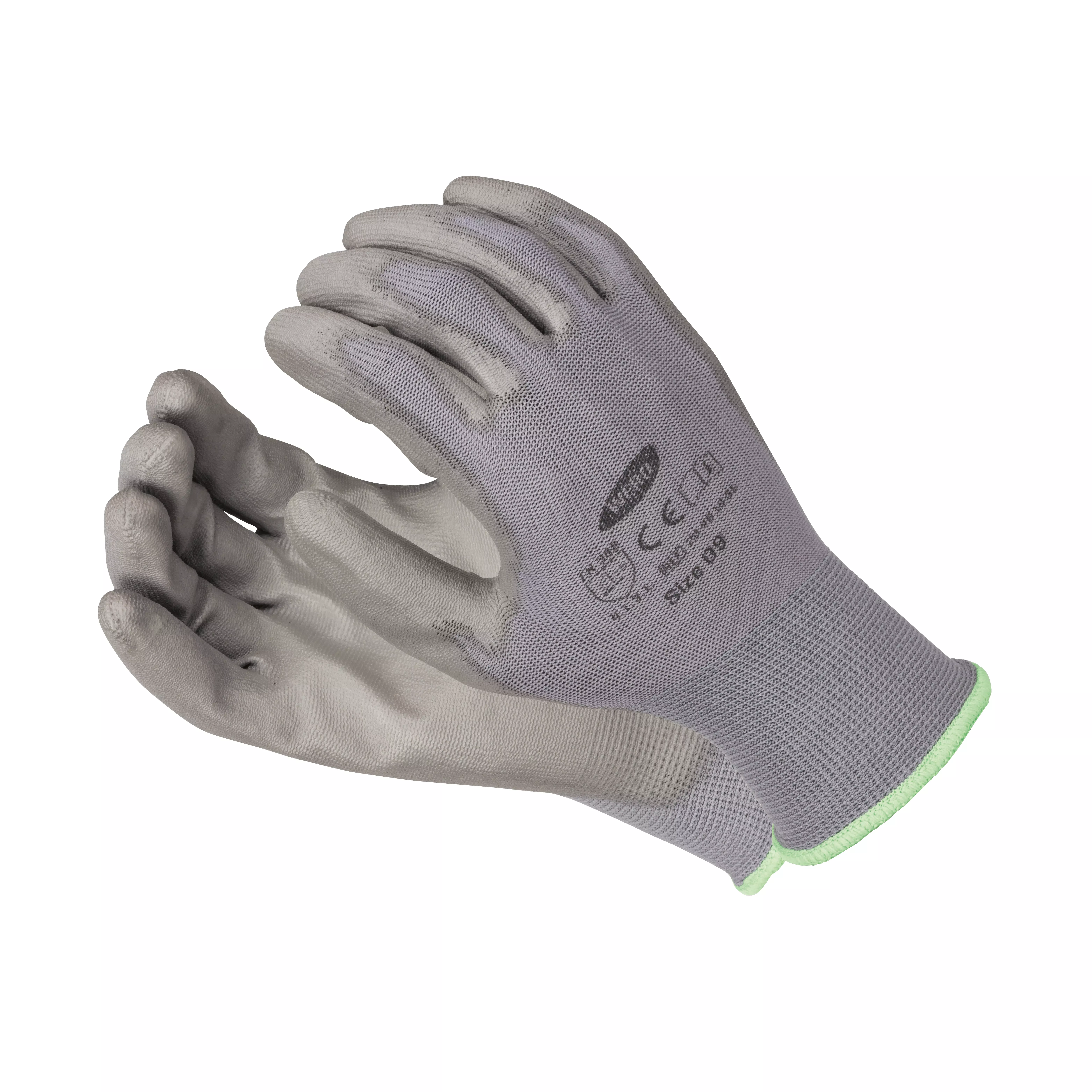
Content: 12 pair (€0.99* / 1 pair)
Available, delivery time: 1-3 days
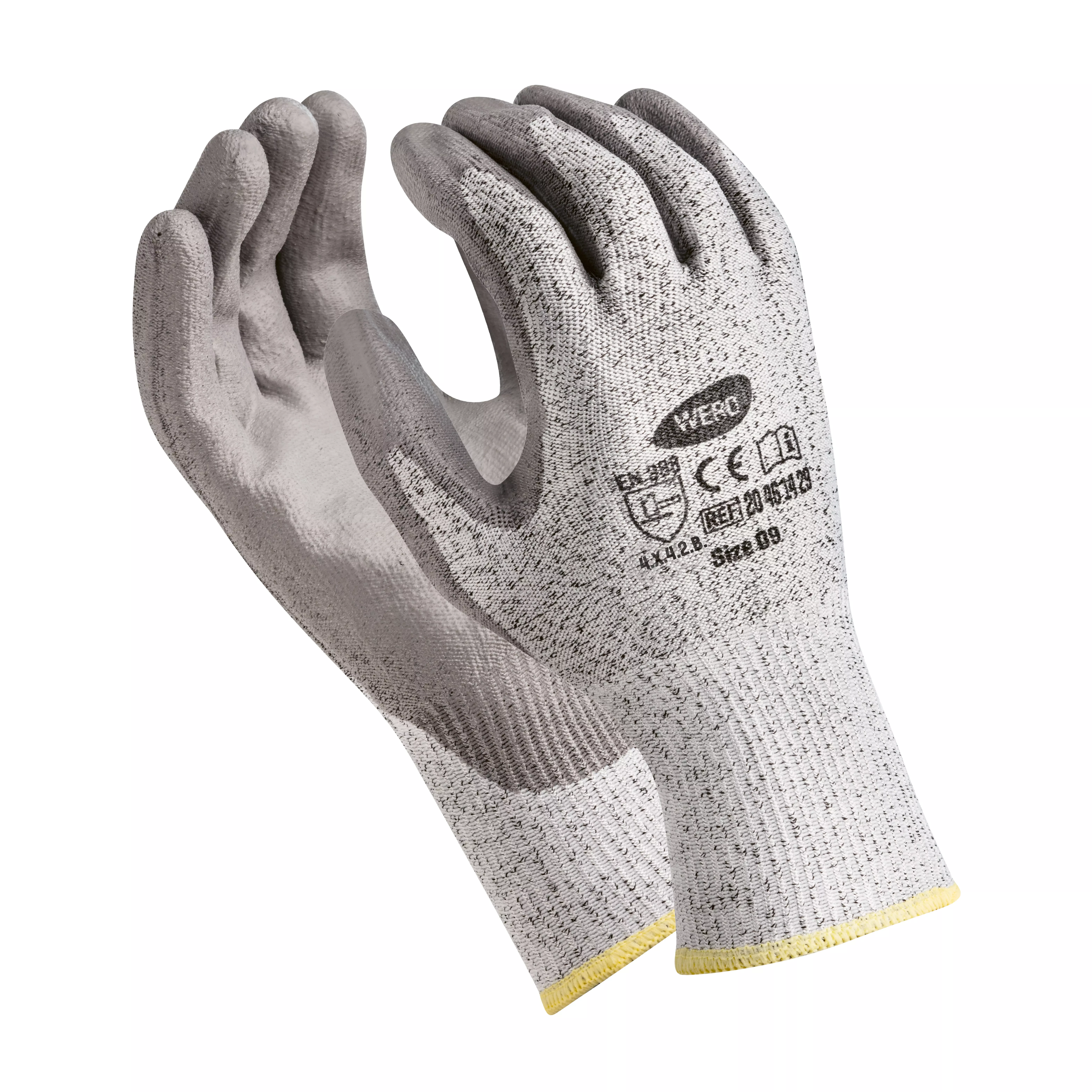
Available, delivery time: 1-3 days

Content: 100 piece (€0.19* / 1 piece)
Available, delivery time: 1-3 days
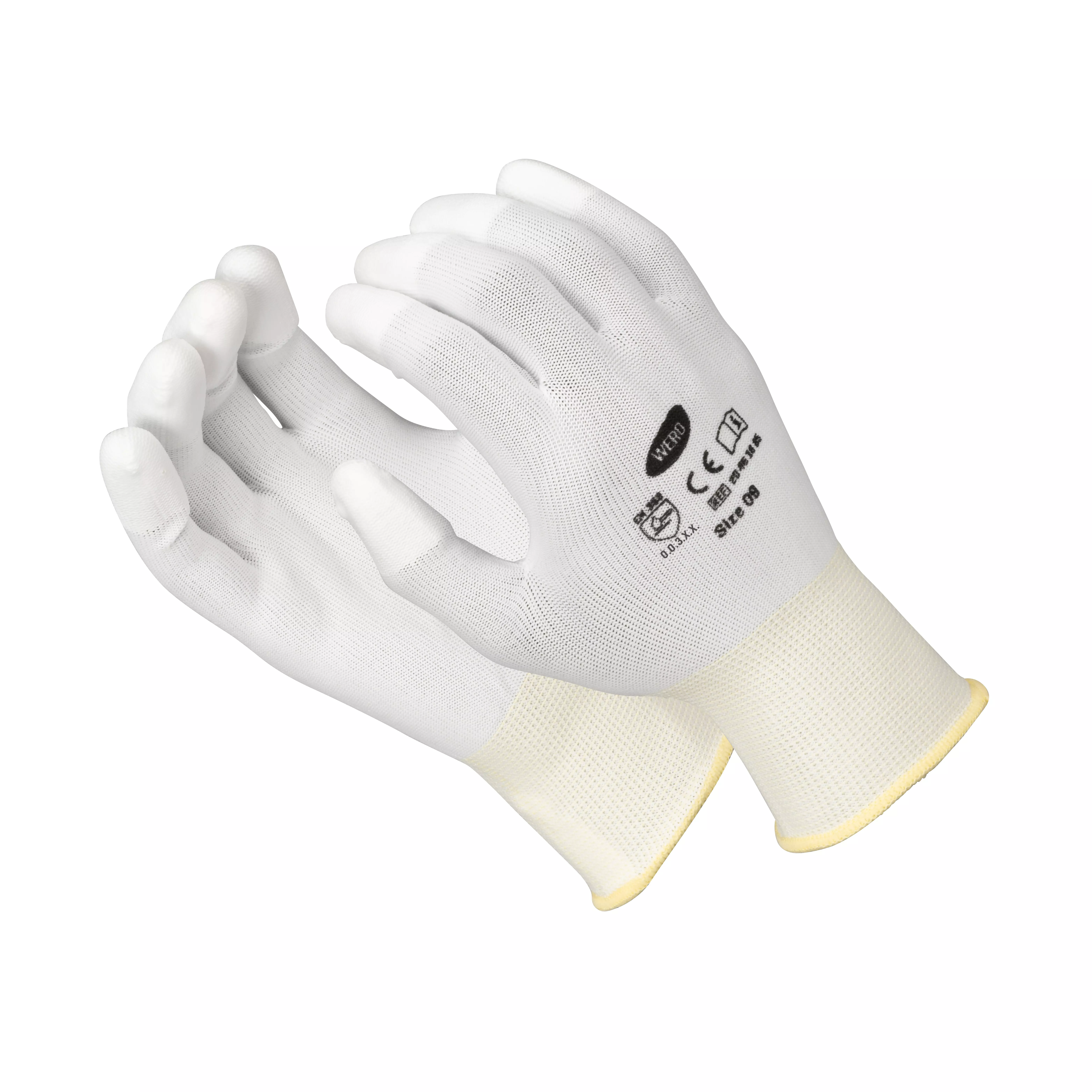
Content: 12 pair (€1.16* / 1 pair)
Available, delivery time: 1-3 days
Available, delivery time: 1-3 days
Available, delivery time: 1-3 days

Content: 100 piece (€0.18* / 1 piece)
Available, delivery time: 1-3 days
Content: 12 pair (€2.52* / 1 pair)
Available, delivery time: 1-3 days
Content: 10 pair (€2.94* / 1 pair)
Available, delivery time: 1-3 days
Available, delivery time: 1-3 days
Content: 12 pair (€1.41* / 1 pair)
Available, delivery time: 1-3 days
Content: 12 pair (€0.63* / 1 pair)
Available, delivery time: 1-3 days

Available, delivery time: 1-3 days
Content: 12 pair (€3.01* / 1 pair)
Available, delivery time: 1-3 days
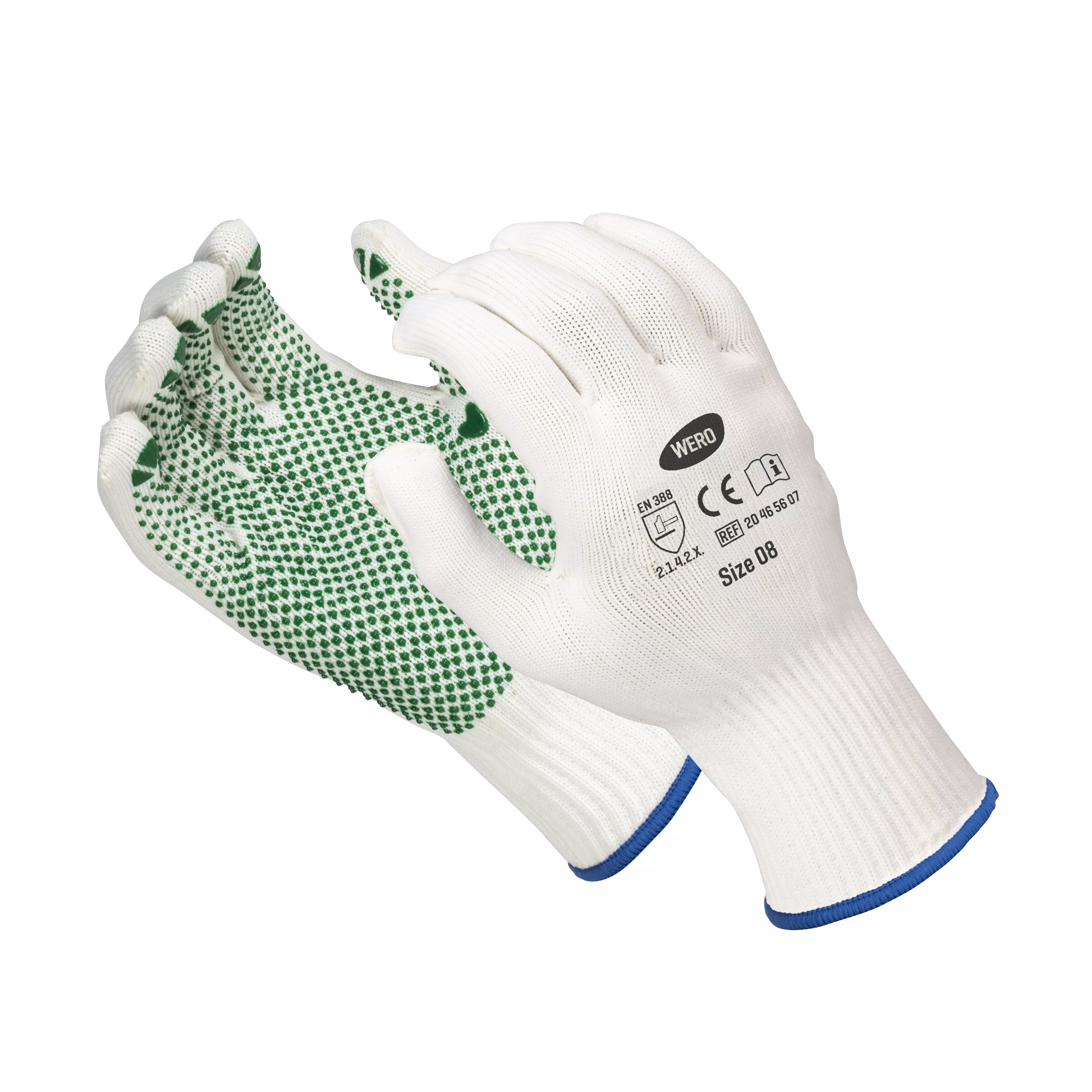
Content: 12 pair (€1.33* / 1 pair)
Available, delivery time: 1-3 days
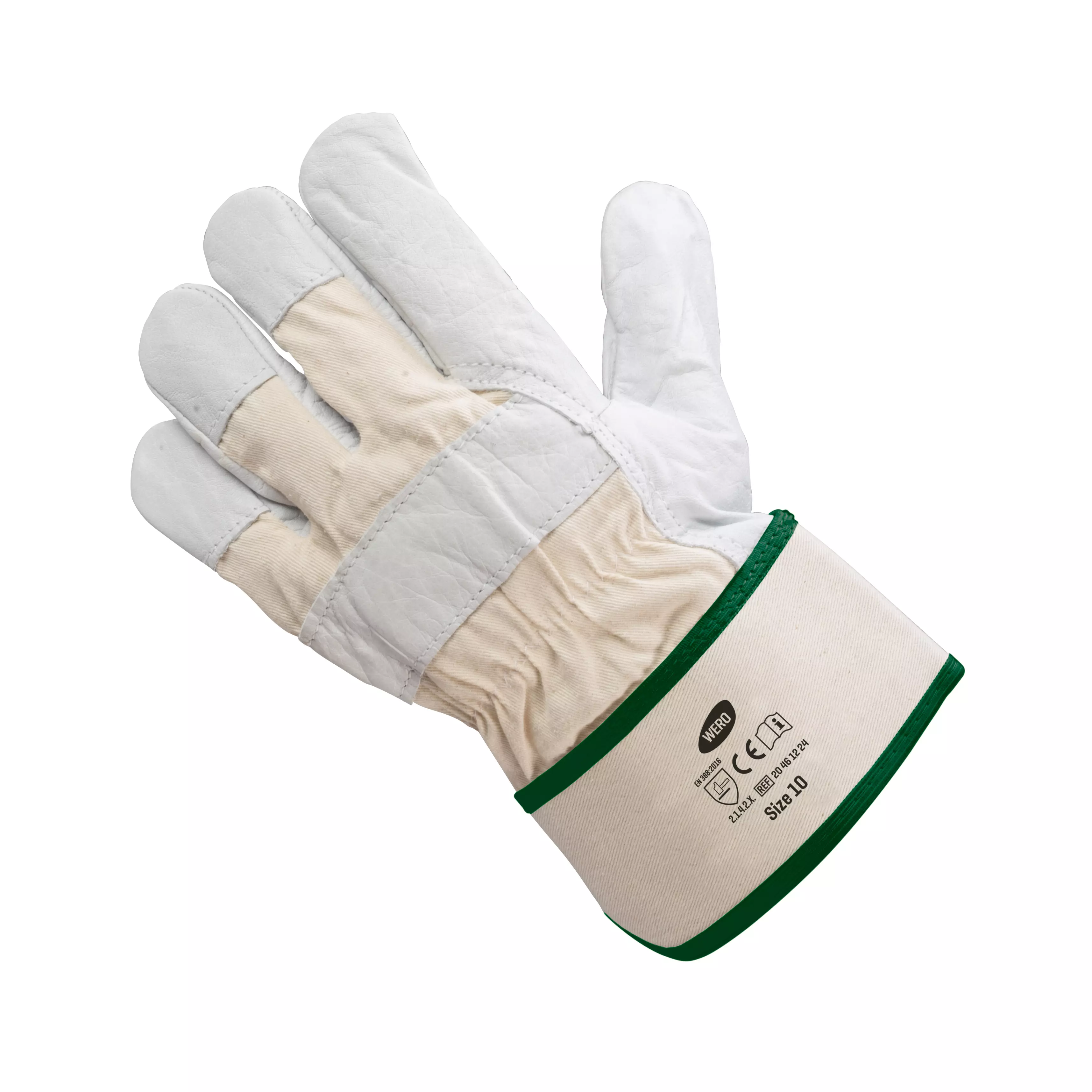
Content: 12 pair (€3.62* / 1 pair)
Available, delivery time: 1-3 days
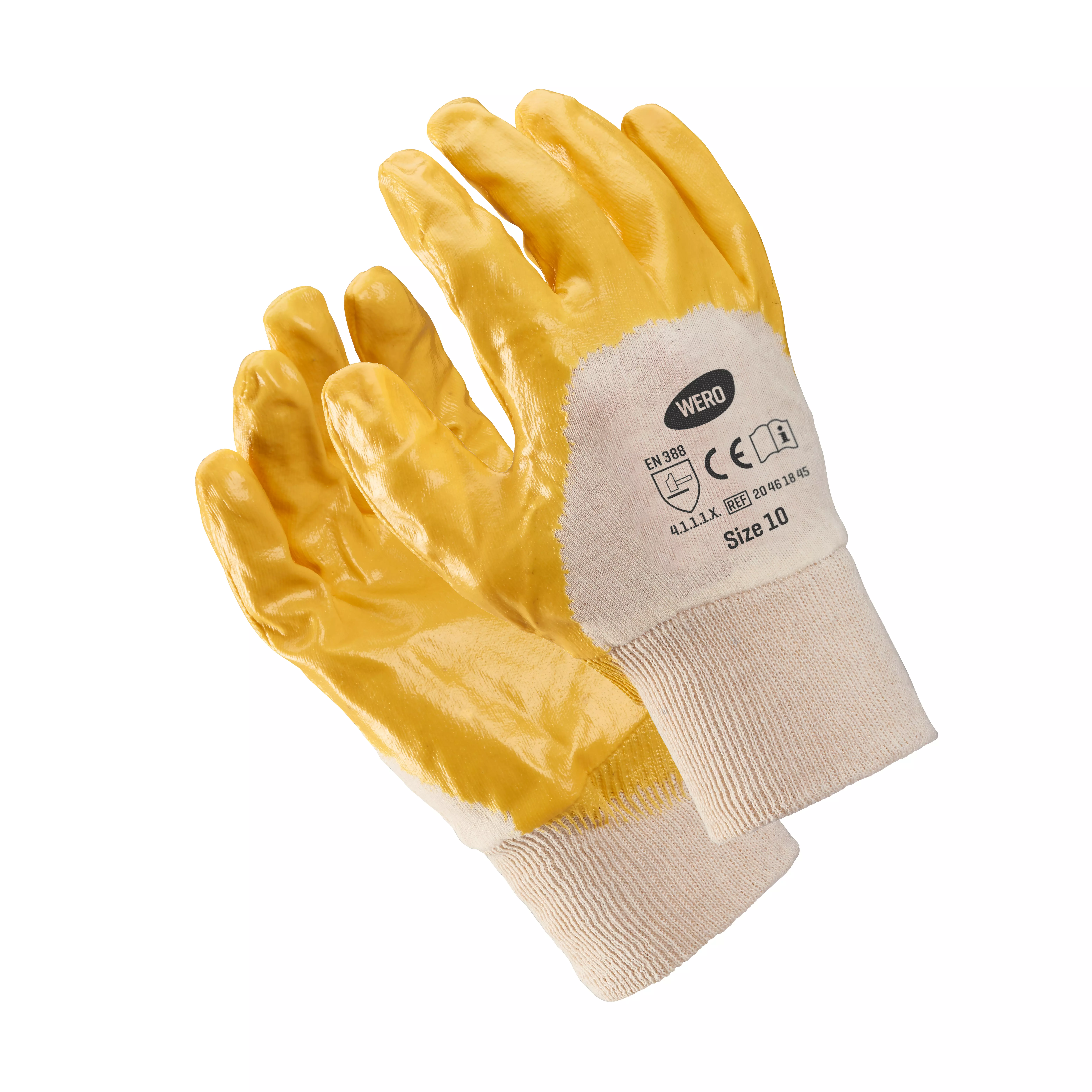
Content: 12 pair (€0.78* / 1 pair)
Available, delivery time: 1-3 days
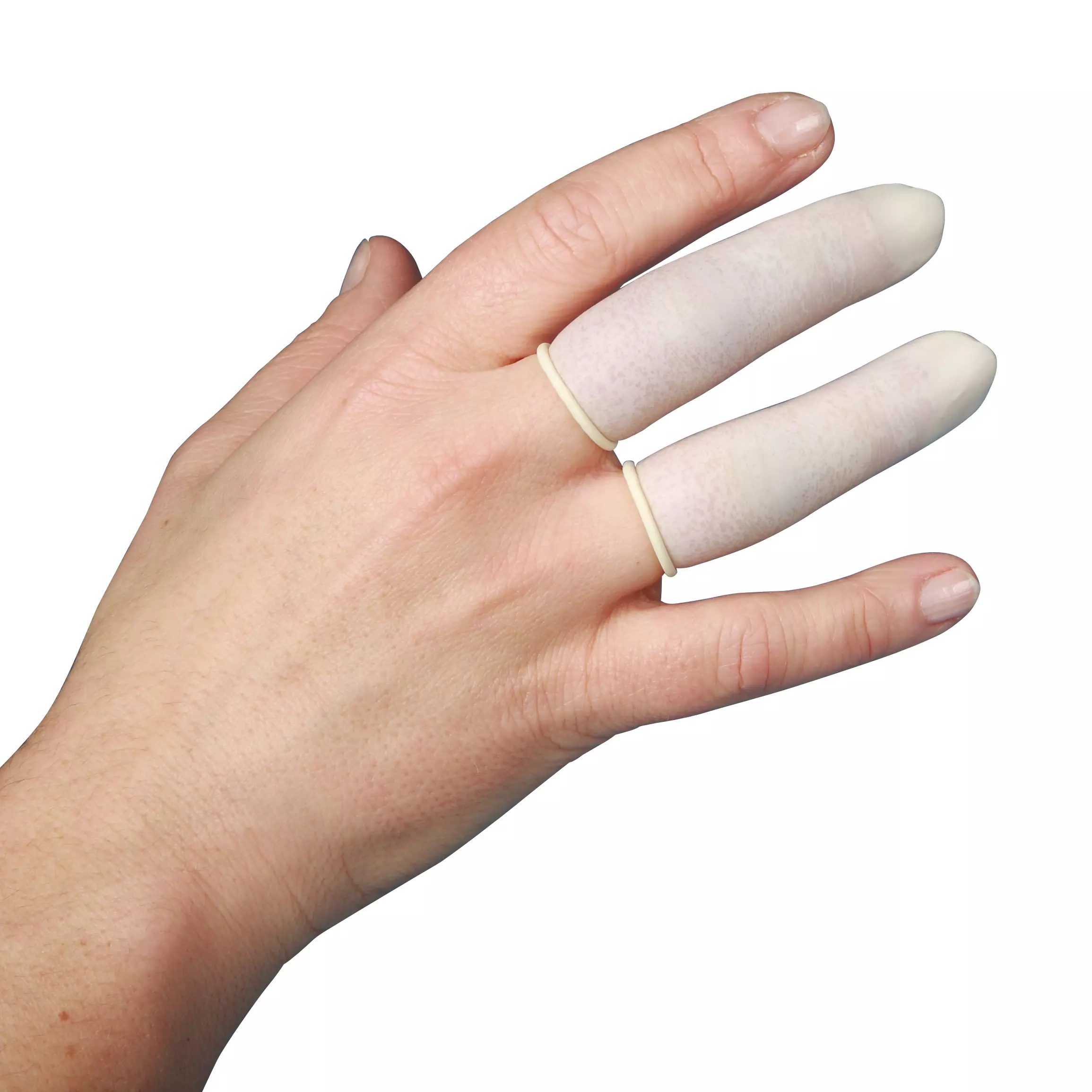
Content: 100 piece (€0.06* / 1 piece)
Available, delivery time: 1-3 days
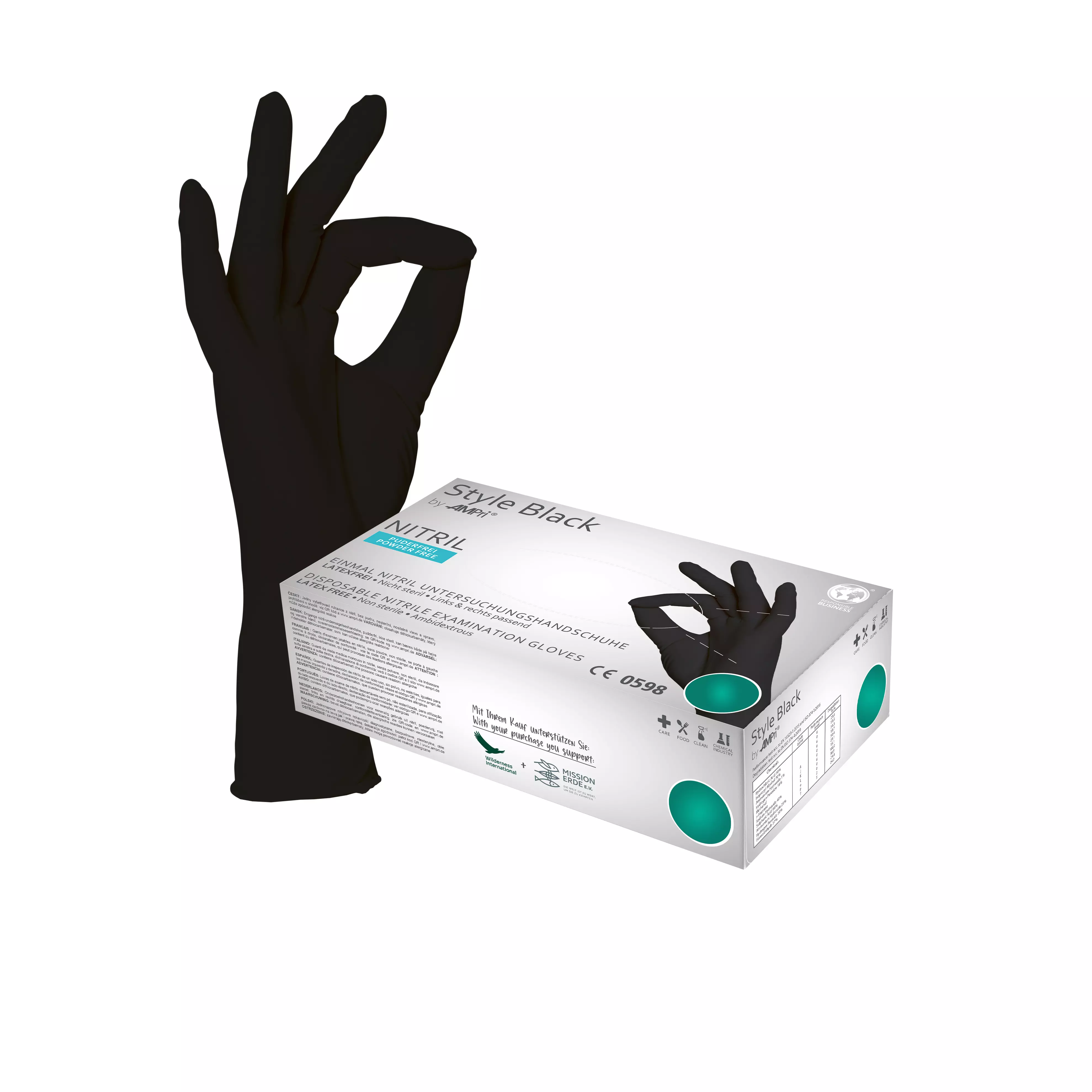
Content: 100 piece (€0.13* / 1 piece)
Available in 3 days, delivery time 1-3 days
Protect your most important tool - your hands
Categorised into application areas, we offer you a comprehensive range of protective gloves for almost every working environment on the following pages. We will be happy to help you find the most suitable glove for you at in terms of protection and service life .
How do you determine the right glove size?
Place a tape measure around the widest part of your hand (excluding the thumb) and measure the circumference. You can now use the table below to determine the appropriate size:
| 17.5 cm | 18 cm | 19 cm | 20.5 cm | 22 cm | 23 cm | 24 cm | 26 cm | 27 cm | 27.5 cm | 28 cm |
| S | S | S | S | M | M | L | L | XL | XL | XXL SIZE |
| 6 | 6,5 | 7 | 7,5 | 8 | 8,5 | 9 | 9,5 | 10 | 10,5 | 11 |
Which glove is right for you?
In addition to the performance levels according to EN 388, we have defined our own WERO performance characteristics
based on
our and our customers' experience.
The WERO performance characteristics are rated from 0=
no value to 5=excellent and provide you with additional,
reliable information about our gloves.
Together with the
classifications according to EN 388, this provides you with valuable
assistance in finding the optimum glove.
Depending on the type, the glove is subject to the standard:
- EN 388 (mechanical risks)
- EN 511 (cold)
- EN 374 (simple chemical protection / full chemical protection / bacteriological contamination)
- EN 407 (heat and / or fire)
WERO quality criteria:
- grip
- sensitivity
- wetness
- cold
- heat
WERO recommendation for quality criteria:
- 0= no protective effect
- 1= low protective effect
- 2= suitable protective effect
- 3= good protective effect
- 4= very good protective effect
- 5= excellent protective effect
We also offer:
Protective gloves - standardised quality
Below you will find a brief overview of the relevant standards based on the PPE Regulation 2016 / 425 for protective gloves. You can also find more information on the various glove standards in our guide article "Glove standards at a glance".
| Standard | Performance level | |||||||||
|---|---|---|---|---|---|---|---|---|---|---|
| EN 388:2016 Mechanical risks | 1 | 2 | 3 | 4 | 5 | |||||
 |
A | Abrasion resistance | Number of cycles required to grind a hole in the material | > 100 | > 500 | > 2000 | > 8000 | - | ||
| B | Cut resistance (Coupe Test) | Index (comparison with reference material after testing) | > 1,2 | > 2,5 | > 5,0 | > 10,0 | > 20,0 | |||
| C | Tear resistance | Force required to tear the material (in Newtons) | ≥ 10 | ≥ 25 | ≥ 50 | ≥ 75 | - | |||
| D | Puncture resistance | Force applied to pierce the material (in Newton) | ≥ 20 | ≥ 60 | ≥ 100 | ≥ 150 | - | |||
| E | Performance level | |||||||||
| Cut resistance / performance level (TDM test) | } | New cut protection standard in accordance with PPE Regulation 2016 / 425 - has been gradually implemented since 2018 | A | B | C | D | E | F | ||
| Newton value | ≥ 2 | ≥ 5 | ≥ 10 | ≥ 15 | ≥ 22 | ≥ 30 | ||||
| X | The glove has not been tested for this property or the test method is not relevant to the glove design and / or material. | |||||||||
| EN 511 Colarisics | 1 | 2 | 3 | 4 | 5 | |||||
 |
A | Resistance to convection cold | Thermal insulation in m², °C/W | ≥ 0,10 | ≥ 0,15 | ≥ 0,22 | ≥ 0,30 | - | ||
| B | Resistance to contact cold | Thermal resistance in m², °C/W | ≥ 0,025 | ≥ 0,050 | ≥ 0,100 | ≥ 0,150 | - | |||
| C | Water permeability Level 1 at least 30 min impermeable |
No specific performance levels | ||||||||
| X | The glove has not been tested for this property or the test method is not relevant to the construction of the glove and / or the material. | |||||||||
| EN 407 Heat and / or fire | 1 | 2 | 3 | 4 | 5 | |||||
 |
A | Burning behaviour | Duration of flame resistance (seconds) | ≥ 20 | ≥ 10 | ≥ 3 | ≥ 2 | - | ||
| B | Resistance to contact heat | ≥ 15 seconds at | 100 °C | 250 °C | 350 °C | 500 °C | - | |||
| C | Resistance to convective heat | Heat transfer (seconds) | ≥ 4 | ≥ 7 | ≥ 10 | ≥ 18 | - | |||
| D | Resistance to radiant heat | Heat transfer (seconds) | ≥ 5 | ≥ 30 | ≥ 90 | ≥ 150 | - | |||
| E | Resistance to small, liquid metal splashes | Required number of drops for a temperature rise of 40 °C | ≥ 10 | ≥ 15 | ≥ 25 | ≥ 35 | - | |||
| F | Resistance to large molten metal splashes | Weight of molten metal (in grams) to cause a surface burn | ≥ 30 | ≥ 60 | ≥ 120 | ≥ 200 | - | |||
| X | The glove has not been tested for this property or the test method is not relevant to the construction of the glove and / or the material. | |||||||||
| EN 374 Chemical risks | ||||||||||
 |
EN 374-1 Protective gloves against dangerous chemicals and micro-organisms Gloves labelled with the Erlenmeyer flask offer full chemical protection. A glove is labelled as chemical resistant if a protection index of at least class 2 (i.e. ≥ 30 min.) is achieved for at least 3 chemicals. The test chemicals used in each case are indicated by code letters under the pictogram. These have now been extended from 12 to a total of 18 test chemicals. A distinction is made between type A, type B and type C protection: Type A: Resistance of at least 30 minutes with at least 6 test chemicals* Type B: Resistance of at least 30 minutes with at least 3 test chemicals* Type C: Resistance of at least 10 minutes with at least 1 test chemical* * New chemical protection standard in accordance with PPE Regulation 2016 / 425 - has been gradually implemented since 2018 |
|||||||||
 |
EN 374-2 Simple protection Gloves labelled with the beaker are impermeable to liquids, but do not offer full or only minimal protection against chemical hazards. This DIN standard defines the impermeability properties of the glove without taking resistance into account. The beaker pictogram is now rarely used and has been replaced by the Erlenmeyer flask pictogram in conjunction with the type C designation. |
|||||||||
 |
EN 374-5 Risks due to microorganisms Gloves labelled with this pictogram offer protection against hazardous chemicals and microorganisms. Protective gloves against viruses, bacteria and fungi must not leak. Gloves that offer full protection against viruses and fulfil the requirement must be marked with the word "virus" in the user instructions. If protection against viruses has not been tested, the following warning is added "Not tested against viruses". |
|||||||||
| Test chemicals of EN 374 | ||||
|---|---|---|---|---|
| Code letter | Test chemical | CAS number | Substance class | |
 |
A | Methanol | 67-56-1 | Primary alcohol |
| B | Acetone | 7-64-1 | Ketones | |
| C | Acetonitrile | 75-05-8 | Nitrile compound | |
| D | Dichloromethane | 75-09-2 | Chlorinated hydrocarbon | |
| E | Carbon disulphide | 75-15-0 | Sulphur containing an organic compound | |
| F | Toluene | 108-88-3 | Aromatic hydrocarbon | |
| G | Diethylamine | 109-89-7 | Amine | |
| H | Tetrahydrofuran | 109-99-9 | Heterocyclic and ether compounds | |
| I | Ethyl acetate | 141-78-6 | Ester | |
| J | n-heptane | 142-85-5 | Saturated hydrocarbon | |
| K | Caustic soda 40 % | 1310-73-2 | Inorganic basic material | |
| L | Sulphuric acid 96 % | 7664-93-9 | Inorganic mineral acid | |
| M | Nitric acid (65 ± 3) % | 7697-37-2 | Inorganic acid | |
| N | Acetic acid (99 ± 1) % | 64-19-7 | Organic acid | |
| O | Ammonium water (25 ± 1) % | 1336-21-6 | Organic base | |
| P | Hydrogen peroxide (30 ± 1) % | 124-43-6 | Peroxide | |
| S | Hydrofluoric acid 40 % | 7664-39-3 | Inorganic acid | |
| T | Formaldehyde 37 % | 50-00-0 | Aldehyde | |
| EN 12477 Requirements for welding gloves | ||||
| This standard is based on EN 388 and EN 407. Protective gloves for welders are divided into type A and type B. Both versions must be tested in accordance with the criteria of EN 388, EN 407 and EN 420 and achieve different minimum performance levels depending on the version. |
||||


